The Science Behind Fall Foliage
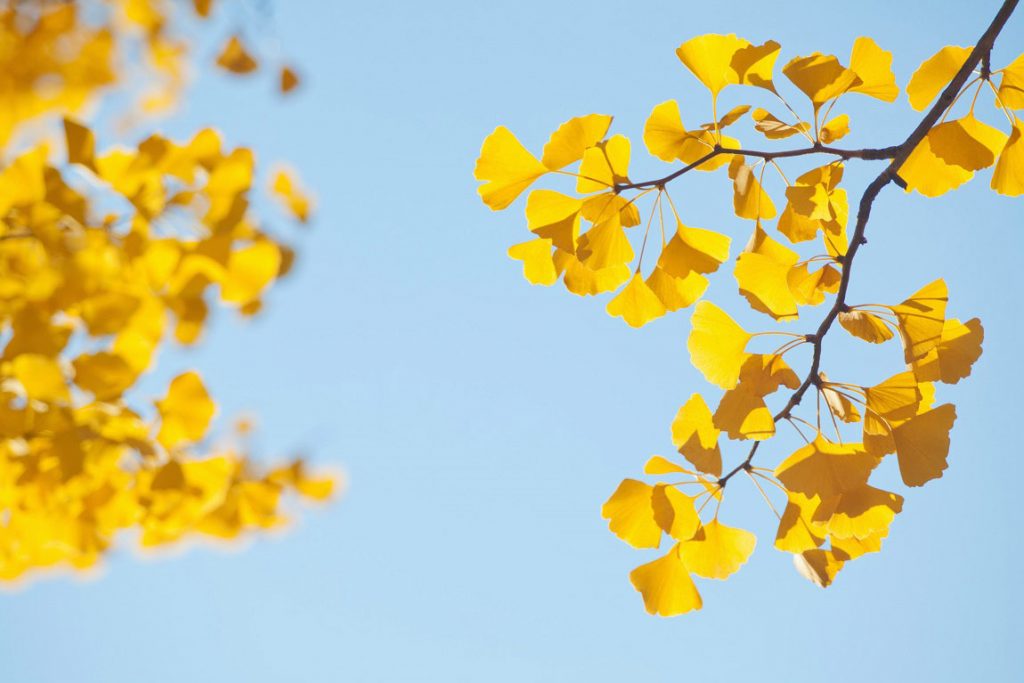
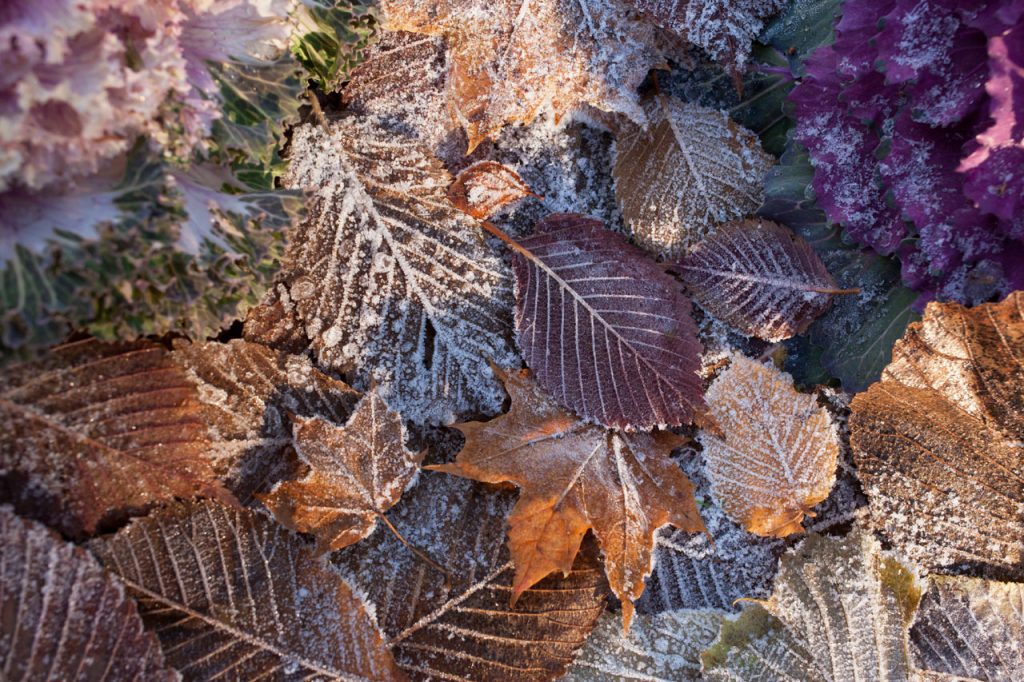
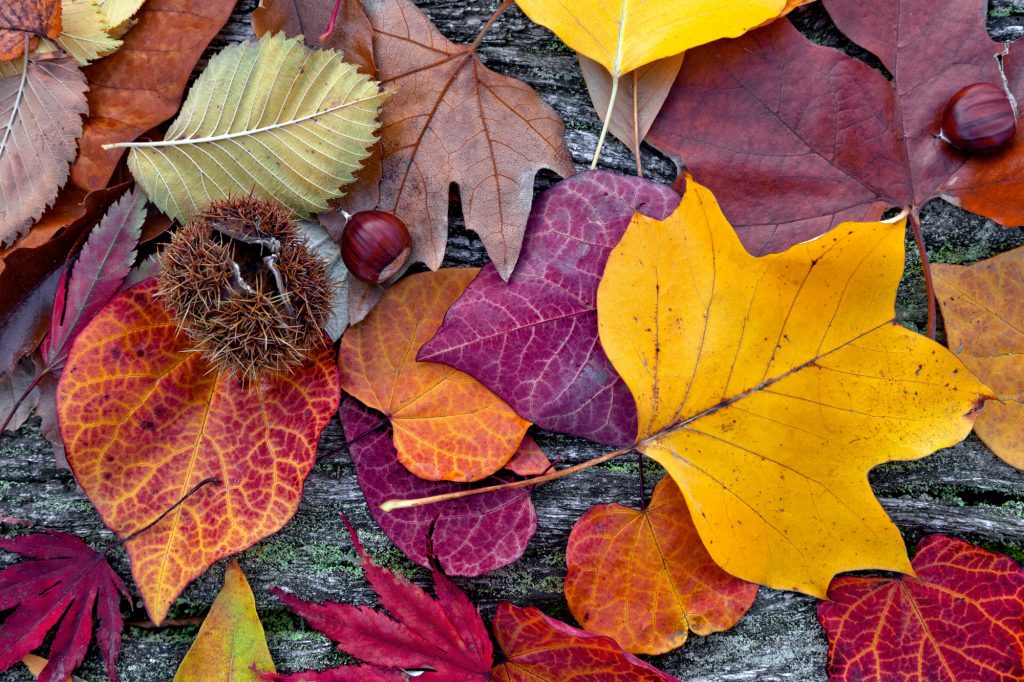
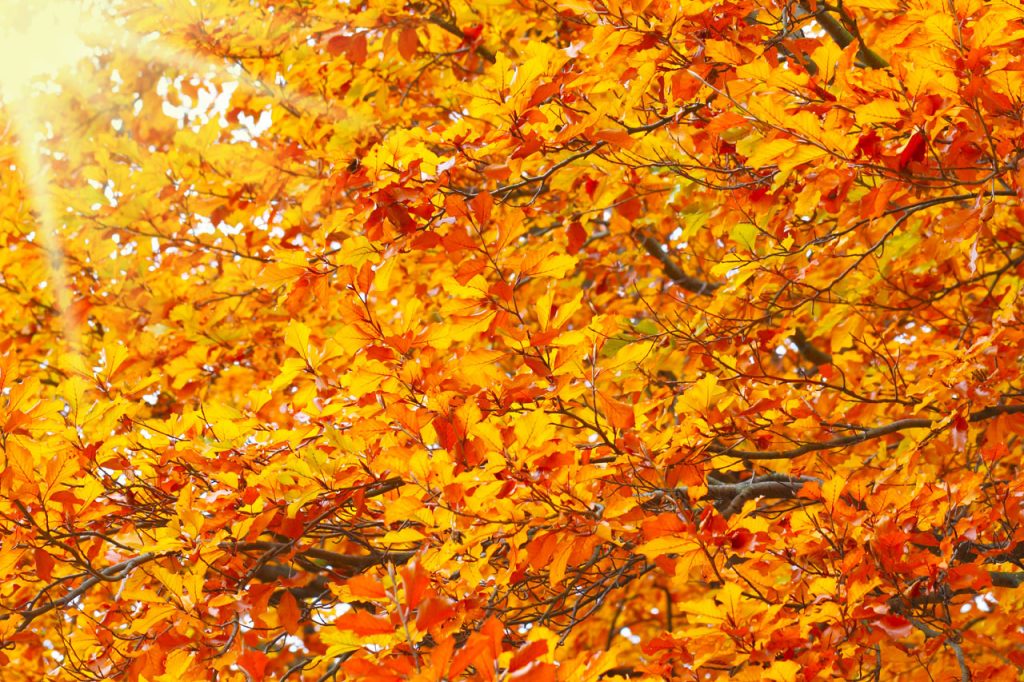
Why do leaves change color in the fall? A good start to answering this question is to look at each of the pigments involved.
The Science Behind Fall Foliage Read More »
Why do leaves change color in the fall? A good start to answering this question is to look at each of the pigments involved.
The Science Behind Fall Foliage Read More »
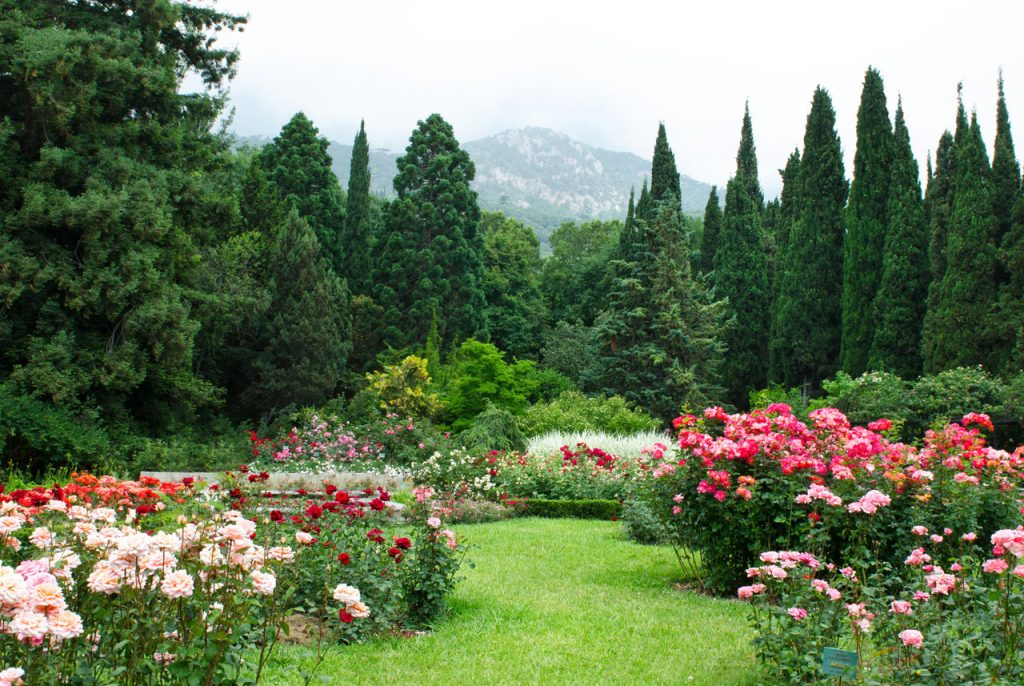
“A Drought-Tolerant Favorite” Italian cypress (Cupressus sempervirens), also known as Mediterranean cypress, has been used in formal gardens and around buildings for centuries. This tall, narrow tree can reach heights over 50 feet, but is rarely more than 15 feet wide. Cypress can be very long-lived; some trees are reported to be over 1,000 years… Read More Italian Cypress
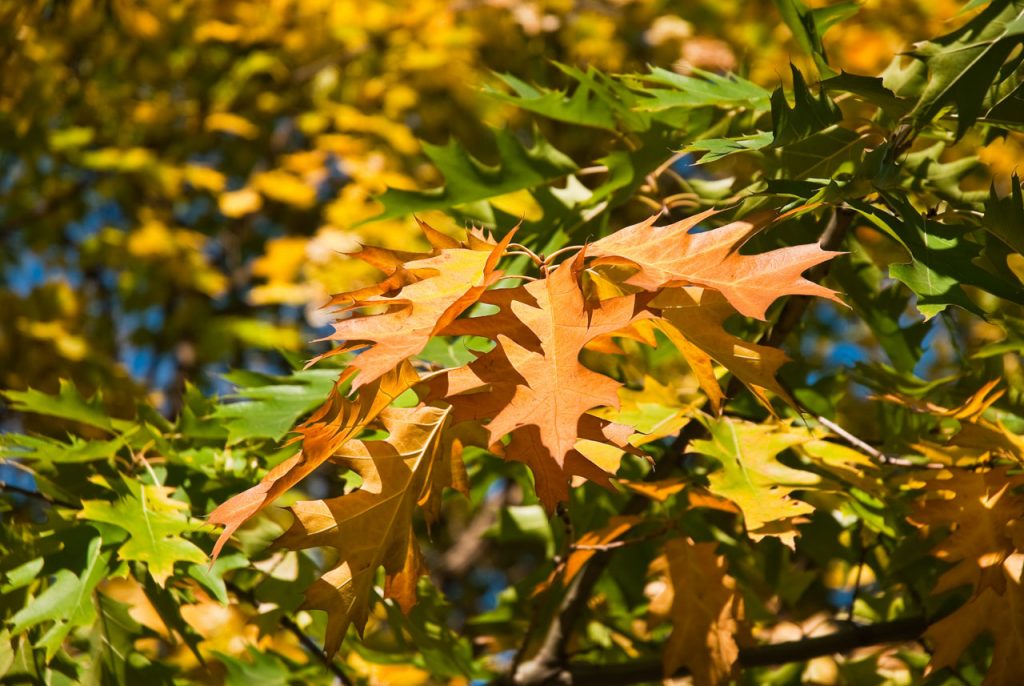
“A Hardy Landscape Tree” The northern red oak (Quercus rubra) is a fast-growing and long-living tree known for its beautiful red fall color, value to wildlife and status as the state tree of New Jersey. Called “one of the handsomest, cleanest and stateliest trees in North America” by naturalist Joseph S. Illick, the northern red… Read More Northern Red Oak
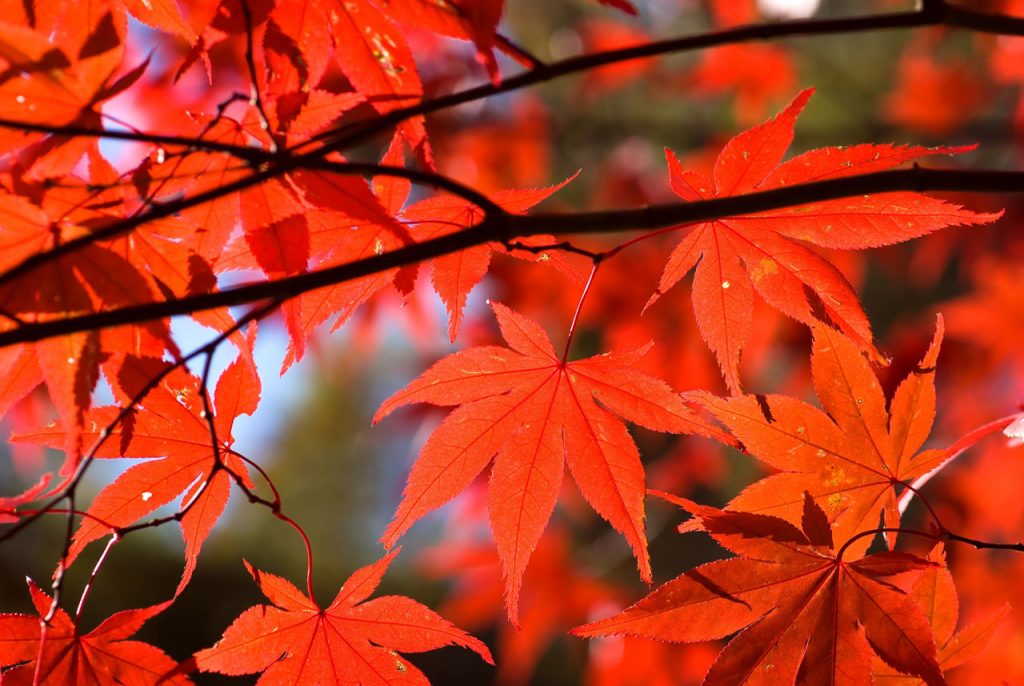
“A Popular Feature Tree” Native to Japan and parts of Asia, Japanese maple (Acer palmatum) has been cultivated in temperate areas around the world since the 1800s. This tree is one of the most common features in landscapes of the Pacific northwest and British Columbia. There are many varieties with differences in leaf color, leaf… Read More Japanese Maple
“A Beautiful Shade Tree” Many cultivars of European beech (Fagus sylvatica) have been selected with red, purple, variegated and cutleaf foliage as well as weeping and fastigiate branching habits and other traits. The European beech can live more than 150 years and can grow 30-40 metres in height with a spread of 10-13 metres when… Read More European Beech
The trees in your landscape will continue to grow and change whether there’s money to care for them or not. Consider that preventing tree problems is nearly always going to be more effective and less expensive than reacting to those problems after the fact. As you plan for 2017, be sure your landscape budget addresses… Read More Landscape Budget and Tree Care Concerns
Landscape Budget and Tree Care Concerns Read More »
Natural defense systems enable trees to ‘fight back’ when they’re under attack from pests or disease or facing stress from environmental conditions like drought. Even with these defense systems in place, trees will decline when conditions become too severe or persist over long periods of time. Research and field experience has shown that application of… Read More Boosting Tree Defense Systems
Boosting Tree Defense Systems Read More »
Many homeowners use herbicides, commonly known as weed killers, to battle persistent plants like ragwort, pigweed, crabgrass, dandelion, purslane, clover, poison ivy, and others. Of the wide variety of herbicide products available, not all contain the same ingredients. With that in mind, these products should not be used universally. The weed being treated, site, and… Read More Using Herbicides Near Trees and Shrubs
Using Herbicides Near Trees and Shrubs Read More »
Trees are important for so many reasons. They make our communities more beautiful and livable. We want to share our love of trees with others. Encouraging people to plant and care for trees is just part of the picture.
Arbor Day and Earth Day 2016 Read More »
Most tree pests leave visible signs of their presence – if you know what to look for. Sometimes it’s easy to dismiss these observable symptoms. After all, it’s just a few tiny holes in the trunk or slight withering of the foliage. Unfortunately, as an infestation worsens, the plant material deteriorates and the overall appearance… Read More Hiding in Plain Sight: Common Signs of Insect Invaders
Hiding in Plain Sight: Common Signs of Insect Invaders Read More »
“It is a capital mistake to before one has data” Sir Arthur Conan Doyle An unusual package has just arrived. Filled with plant material, the package is unboxed and the contents transported to a high-tech laboratory. The material is studied for clues and further under the view of a microscope. A battery of tests follow.… Read More Evidence Reveals the Answer
Evidence Reveals the Answer Read More »
The Bartlett Tree Research Lab staff recently welcomed the newest crop of Arborist Representatives for technical training that included four information- and demonstration-packed days and nights.
Technical Training for New Arborist Representatives Read More »