Salt applied as a deicing agent during winter can severely damage trees near roads, driveways or sidewalks. When planting near areas where salt will be used, consider salt tolerant tree species. Properly selecting trees at the outset can help minimize injury. Further, landscape maintenance will be easier and less costly when you factor in the planting site and choose trees best suited to that site.
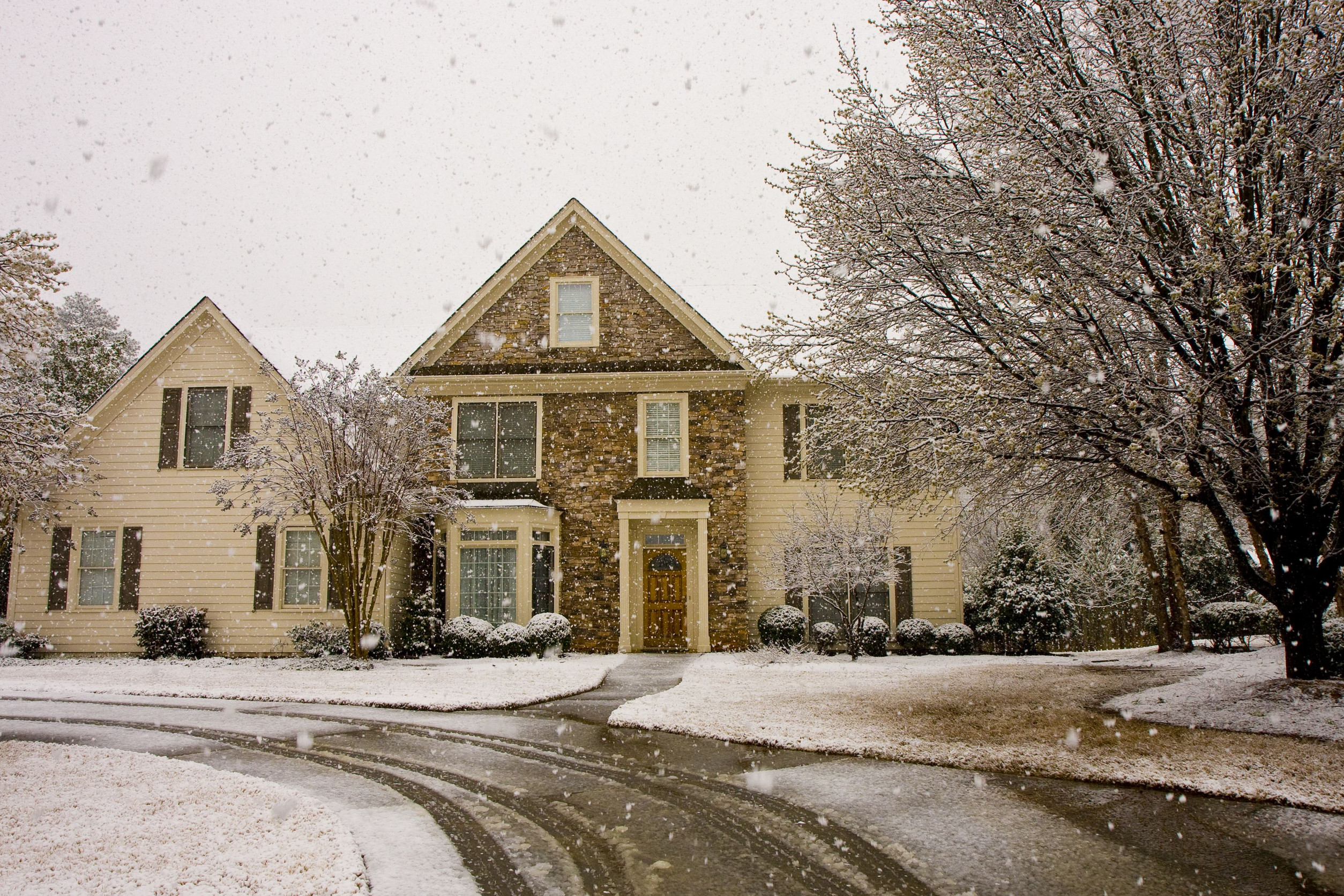
Damage to trees and shrubs
Salt on paved surfaces dissolves into runoff water and then leaches into the root zone of nearby plants. Additionally, when vehicles drive, they can spray and spread salt from roads onto branches and foliage of trees and shrubs. The salt “burns” or desiccates the roots, needles or leaves. Damage is particularly severe during extended dry periods when moisture in the soil is already low.
When this damage occurs, it can be difficult to immediately determine the cause. Symptoms are often similar to other conditions such as drought stress. You may notice a delay in the tree leafing out or flowering in spring as well as stunted or reduced growth. A thinning crown or browning on the tips of foliage is also common. As trees enter the following dormant season, leaves may change color and fall earlier than usual.
Plant sensitivity and salt tolerant tree species
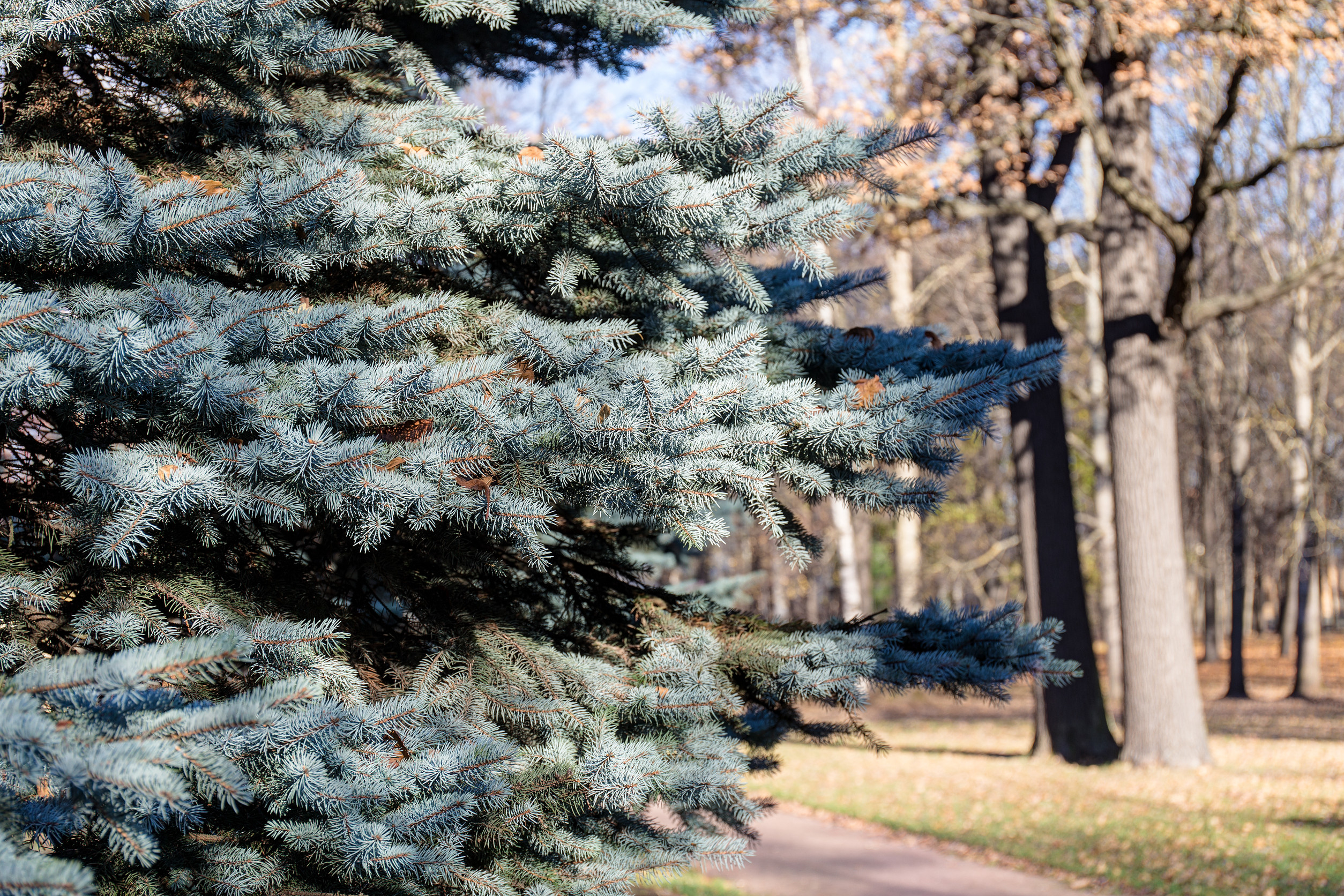
Trees and shrubs vary greatly in their ability to tolerate salt in the soil. Typically, evergreens and shallow-rooted species are easily injured by desiccation from salt. The amount of salt in the soil or on the foliage also plays a role. As the salinity level increases, even species with some level of tolerance will be impacted.
Some species tolerant to salt include white and red oak, hawthorn, Norway maple, quaking aspen, horse chestnut, mulberry, weeping willow and white poplar. Good evergreen choices are Eastern red cedar, blue spruce, mugo pine and Austrian pine. Additional deciduous trees that have intermediate tolerance are paper birch, ash and black cherry. Often your state extension service can provide a robust list of salt tolerant trees that are hardy to your zone.
Additional winter deicing recommendations
If you have existing trees that are not salt tolerant planted near road or walkways, there are some best practices to help protect your landscape. Calcium chloride is an alternative to sodium chloride that is effective for deicing and less toxic to plants. You can also divert runoff water from salted pavement away from plantings. Coverings such as burlap can help protect foliage and branches where salt spray is commonplace.